How to Protect Your Property with Flood Insurance
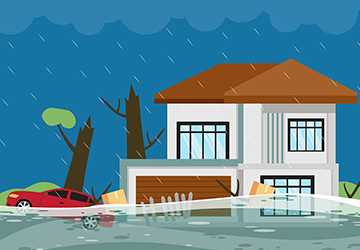
Hey there, homeowners and future homeowners! If you're reading this, you live in a flood-prone area or have heard tales of unexpected water damage. Either way, kudos to you for being proactive. Floods are sneaky and unpredictable and can cause a lot of damage. But guess what? With the right tools, you can keep your property safe and sound. And one of the best tools in your arsenal? Flood insurance. Let's dive into the top ways you can protect your property with this invaluable coverage.
Understand the Basics of Flood Insurance
Let’s discuss the nuances of flood insurance and what it is. It's a specialized insurance policy that covers damages to your property caused by flooding. While standard home insurance might cover some water-related damages, it often excludes floods. Therefore, flood insurance is more necessary in flood-prone areas.
To get started, reach out to your local insurance agent. They'll walk you through the specifics, including coverage limits, deductibles, and premium costs. Remember, every policy is unique, so it's crucial to understand what yours covers and what it doesn't.
Assess Your Risk Level
Not all properties face the same flood risks. Some areas are more prone to flooding than others. So, how do you assess your risk level? Start by checking FEMA's Flood Map Service Center online. This tool provides maps that highlight flood zones across the country.
If your property is in a high-risk zone, flood insurance isn't just recommended—it's essential. Even if you're in a moderate-to-low-risk area, don't rule out the possibility of flooding. Weather patterns change, and unexpected events can occur. A little protection can go a long way.
Determine the Right Coverage for You
Once you've assessed your risk level, the next step is to determine the right coverage for your property, which typically covers your property or personal damages.
Building Property Coverage: The essentials covered here are your home's foundation, electrical working systems, and even the walls and roof. If a flood damages these essential components, your policy will reimburse most of the damages to get you back up.
Personal Property Coverage: This covers your home's furniture and other personal assets. If water damages or destroys these items during a flood, your policy can assist with replacement costs.
Hence, get a valuation of your property and assets and choose accordingly. While you don't want to overpay for coverage you don't need, you also don't want to be underinsured when you need it most.
Stay Informed and Prepared
Knowledge is power, especially when it comes to protecting your property. Stay informed about local weather patterns, flood risks, and emergency evacuation routes. Sign up for regular alerts from your local government or weather service to receive timely updates about potential flooding in your area.
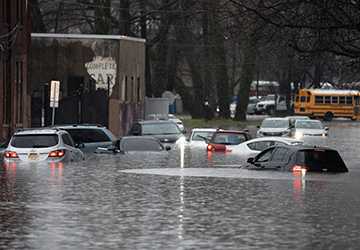
But any preparation doesn’t hurt, such as installing flood barriers, elevating utilities, or landscaping with flood-resistant plants. The more prepared your property is, the better it can withstand flooding and minimize damages.
Review and Update Your Policy Regularly
Life changes, and so do your property's needs. As you improve your home or acquire new belongings, you must regularly review and update your flood insurance policy. By keeping your coverage up-to-date, you ensure your property is protected against potential flood damages.
Schedule an annual review with your insurance agent to discuss any changes or updates to your property and add something you need that wasn't included; this will allow you to cover all the bases that align with your situation.
Invest in Flood-Resistant Building Materials
Flood-resistant material can save you a lot in the long run, especially in flood-prone areas if you don’t already have some. Some of these can include:
Raised Foundation: Best for new homes as it can be costly if done now. In these cases, look at other investment options below.
Waterproof Sealants: Apply waterproof sealants to basements and lower levels to prevent water seepage.
Flood Vents: Install flood vents in your foundation to allow water to flow through, reducing pressure on walls and preventing structural damage.
By incorporating these flood-resistant measures, you can minimize potential damages and increase the resilience of your property against flooding.
Create a Flood Emergency Plan
A well-thought-out flood emergency plan can make all the difference when disaster strikes. Here's how to create one:
Evacuation Routes: Identify and mark multiple evacuation routes leading to higher ground.
Emergency Contacts: Keep a list of emergency contacts, including local authorities, insurance agents, and nearby shelters.
Essential Supplies: Prepare an emergency kit with essential supplies like water, non-perishable food, medications, and first-aid items.
Share your flood emergency plan with household members and ensure everyone knows what to do in a flood. Conduct regular drills to practice the plan and make necessary adjustments as needed.
Consider Additional Endorsements or Riders
Consider other riders or plans that cover your specific needs depending on your property's location. These can include:
Increased Replacement Cost Coverage: Ensure your policy covers most, if not all, repair or rebuild costs. Sometimes, it should be within the policy's standard limits.
Loss of Use Coverage: Displacement costs in case of an actual flood should also be added, as it happens in most cases.
Sewer Backup Coverage: Include coverage for damages caused by sewer or drain backups, which can occur during flooding.
Discuss these options with your insurance agent to determine if additional endorsements or riders suit your situation.
Stay Engaged with Community Flood Preparedness Efforts
Your community's involvement can be vital in flood preparedness and mitigation. Stay involved in local floodplain management efforts, neighbourhood flood response teams, or community watchdog organizations focusing on flood preparedness and readiness.
Participate in community meetings, workshops, or training sessions to learn about local flood risks and mitigation strategies. By working with your community, you can foster a collective effort to protect properties and reduce the impact of floods on your neighbourhood.
Conclusion
Floods can be a homeowner's worst nightmare, but they don't have to be. With the right tools and preparation, you can protect your property and enjoy peace of mind knowing you're covered. This article shares all the bases you must cover and how to proceed. Stay informed, prepare your property for the worst, and regularly review your policy to ensure you're always one step ahead of potential floods. Here's to keeping your property safe, dry, and flood-free!